

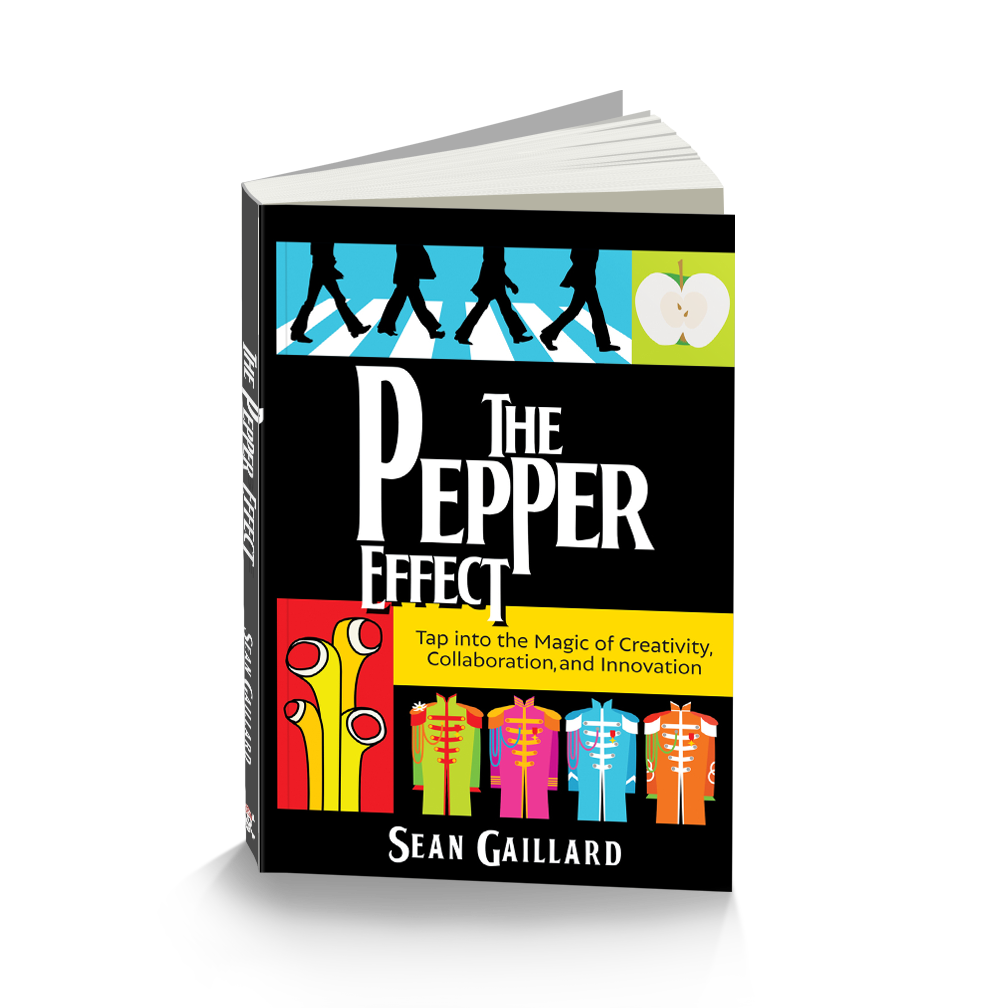
Today's guest blog is brought to you by Sean Gaillard. Sean Gaillard is an award-winning principal, author of The Pepper Effect, and creator of Principal Liner Notes, a blog and podcast found at seangaillard.com. He is currently working on a new book with Dave Burgess Consulting, Inc., titled Leadership Riffs. A passionate advocate for collaboration, creativity, and belonging in schools, Sean is a 2025 ISTE + ASCD “20 to Watch” honoree and a frequent speaker on innovative school leadership. His content is always uplifting and encouraging!
Ok...Sean--take it away!
Guest Blog
When I wrote The Pepper Effect, I leaned on four riffs inspired by The Beatles’ creative journey:
1. Believe in your vision.
2. Believe in your masterpiece.
3. Believe in your collaborators.
4. Ignore the naysayers.
These riffs were not just about making an album. They became a framework for leaders and educators striving to create something lasting, meaningful, and bold. The Beatles refused to let the impossible be the final barrier. They forged masterpieces through vision, collaboration, and resilience.
But here is the challenge. In schools, the work can feel daunting. The constant demands can make those riffs feel out of reach. Yet, as Dan Heath reminds us in Reset, transformation often begins not with a giant leap but with a small pause. That small pause, or “stop,” when studied and practiced consistently, can make a huge impact.
That idea resonated with me because I learned it years ago from my father during my youth. After I spent a dinner recounting everything that went wrong at school, he stopped me mid-complaint and asked, “Tell me what is right with your day.” That question changed my outlook. Since then, whether it was beginning a class with a community session or opening a faculty meeting with a celebration of praise and thanks for colleagues, I have seen the power of calling out what is working. Those bright spots give us hope, focus, and a path forward.
The truth is, the masterpiece mindset does not begin with massive strokes of genius. It begins with noticing small wins, celebrating progress, and shining light on what is good. That is how The Beatles created, and that is how we as educators can keep moving forward.
Here are four practical ways you can ignite and illuminate those bright stops every day:
1. Start with What is Right: Begin class, meetings, or your own reflection time by naming one win. A student’s breakthrough, a colleague’s idea, or a personal step forward all count. The act of naming bright stops changes the tone.
2. Spotlight Others: Take 30 seconds to write a quick note, send a text, or make a passing comment of appreciation. Simple acknowledgments often ripple far beyond the moment.
3. Anchor in Rituals: Build a small, consistent practice like “Three Good Things” at the end of the day with students or staff. Rituals give predictability to the practice of noticing the good.
4. Pause Before Problem Solving: When faced with a challenge, ask yourself: Where is the bright stop here? What is working, even in part? It reframes the story and fuels possibility.
The Beatles built masterpieces because they dared to believe in what could be, even when the world said otherwise. We can do the same in our classrooms and schools by studying the bright stops. Small sparks build momentum, and momentum builds masterpieces.
Thank You, Sean!
Thank you for this incredible post, friend!
If you haven't already, be sure to follow Sean on X and IG here for more outstanding content. You won't be disappointed!
Don't forget to pick up his book, The Pepper Effect, right HERE.