
Today's guest blog is brought to you by Lisa Maxfield! Lisa has over 30 years of education experience. She now supports educators with observational software, training, and project management, while building strong partnerships. Passionate about helping teachers, Lisa has presented at AESA and ASCD conferences and is the co-author of Teachables: Bite-Size Strategies That Make a Major Impact in the Classroom.
Take it away, Lisa!
Guest Blog by Lisa
In June, my son was in the ICU. It was the most stressful, heart-wrenching experience of my life. Watching him fade under the weight of his body’s imbalance and medication side effects was terrifying.
Thankfully, after days of worry, my sweet, funny, talkative son came back to us.
I had recently been laid off before this happened, and I actually felt grateful. I didn’t have to juggle the guilt of stepping away from work or the stress of passing tasks to others. I also didn’t have to worry about being judged for leaving a meeting early or logging off before the workday ended.
It made me wonder how people might have reacted if I had been working through this crisis and hadn’t shared what was going on. Would they have been frustrated? Would they have thought I was dropping the ball? So many people are going through hard things without ever saying a word.
I could just be there, fully present for my son. It was a strange kind of gift that came from being laid off, something I never would have asked for but was suddenly grateful to have.
As I walked the halls of the ICU, I passed rooms with patients who didn’t seem to have visitors. It made me wonder about their stories and relationships. Were their loved ones tied up by work, or do they not have anyone to visit them? It was a powerful reminder that we rarely know what others are going through.
Of course, it also made me think about our students. How many of them are silently navigating pain, fear, neglect, hunger, depression, confusion, or anxiety?
When we take time to build strong relationships with students, we create a lifeline. One caring adult can make all the difference.
This experience reminded me of the first section of Teachables, the book I co-authored with Cheryl Abla: Relationships, and especially the strategy Walk in My Shoes: Build Empathy to Build Community.
Everything begins with relationships. In the classroom, this means more than just getting to know your students. It means creating a space of trust, empathy, and understanding.
You may never know which student is going home to instability, which one is navigating a personal crisis, or which one just needs someone to see them. Having built that relationship ahead of time can make all the difference.
We also need to teach empathy. There may be a student who wears the same shirt three times a week because they don’t have many clothes or can’t get them cleaned. Practicing empathy may help classmates understand rather than judge.
Using strategies like “I wish my teacher knew…” can reveal challenges students are carrying. Learning about those challenges may explain a missed assignment, a meltdown, or a sudden silence.
You may not be able to fix their problems, but your presence, your listening, your care, can be the support they need most.
As you are thinking about the upcoming school year (and yes I know you are), think about all the different strategies you will use to help build authentic relationships with your students.
So as you prepare for the new school year, consider this your reminder:
Before you teach the standards, build the connection.
Before you manage the classroom, nurture the relationship.
You never know how much it might matter.
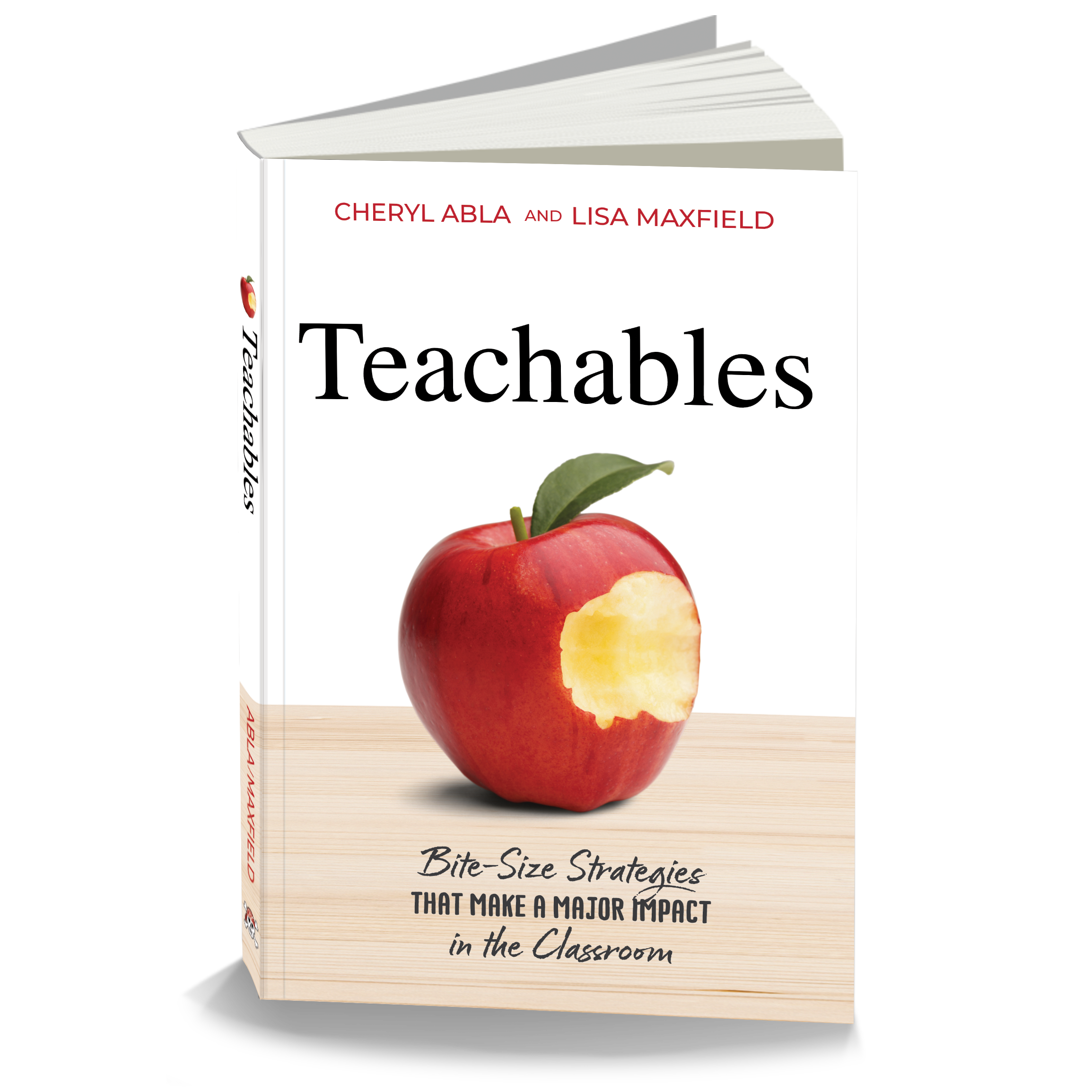
For more strategies and recommendations on building authentic relationships and teaching and modeling empathy, pick up a copy of Teachables: Bite-Size Strategies That Make a Major Impact in the Classroom.
Along with relationships, the book includes practical ideas for establishing clear procedures and organization, increasing curiosity and engagement, setting high expectations, and creating an overall positive classroom environment. Each strategy is short, actionable, and designed to make a meaningful impact.
Thank You, Lisa!
Thanks, Lisa
I'm glad your son is feeling better, and thank you for reminding us to consider the perspective of those around us.
If you like what you've read, be sure to follow Lisa on X right HERE and her website right HERE.
Also, grab her amazing book, Teachables, right here. You won't be disappointed!